
Claim Summary
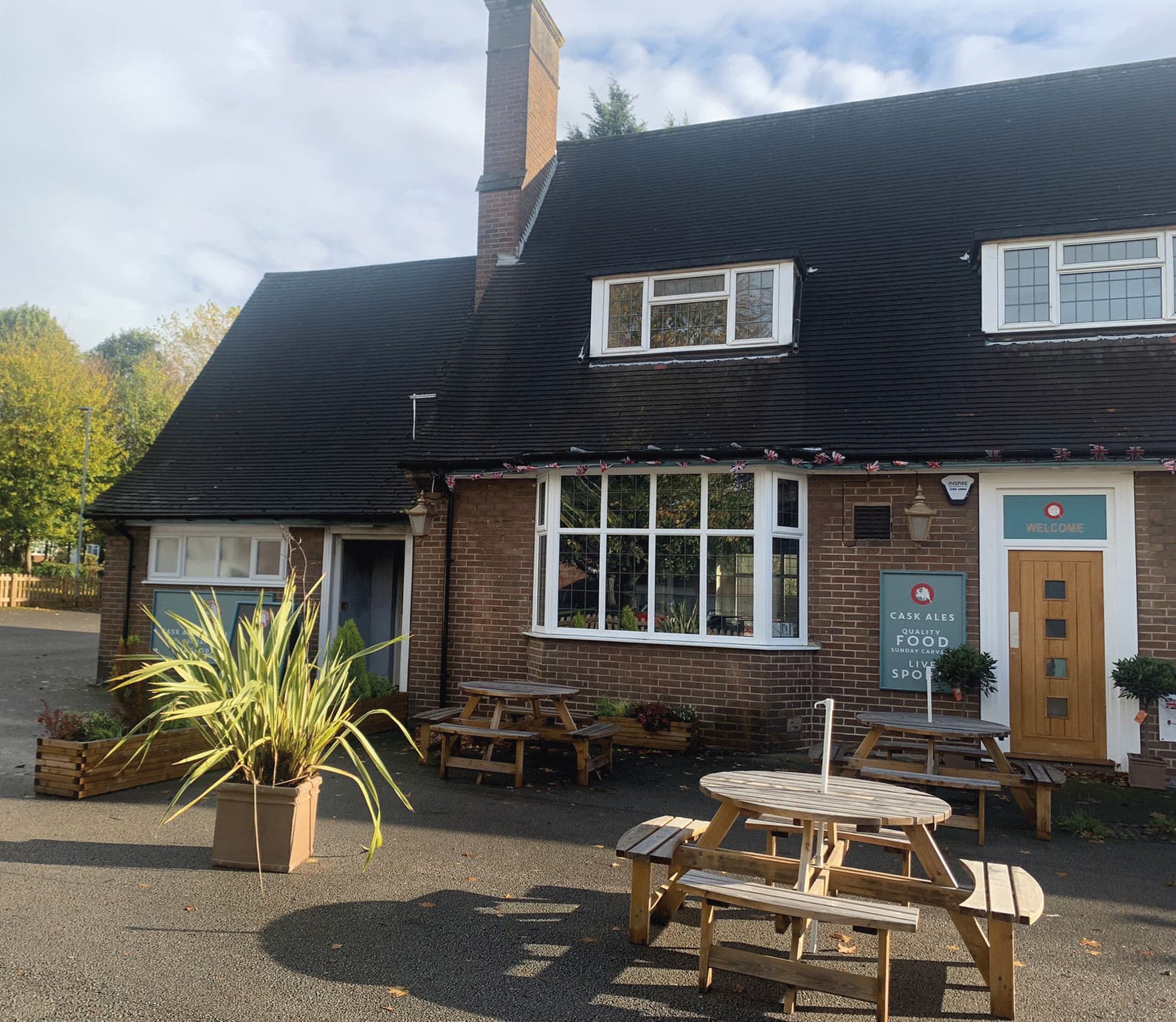
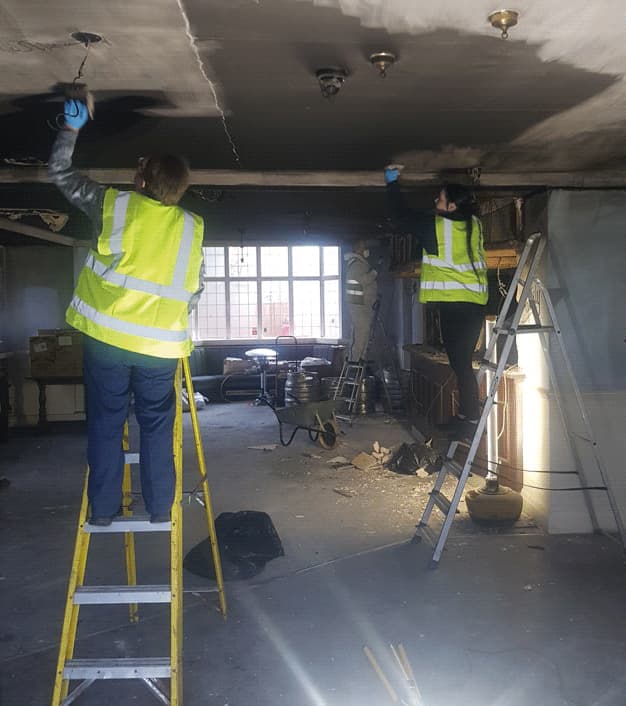
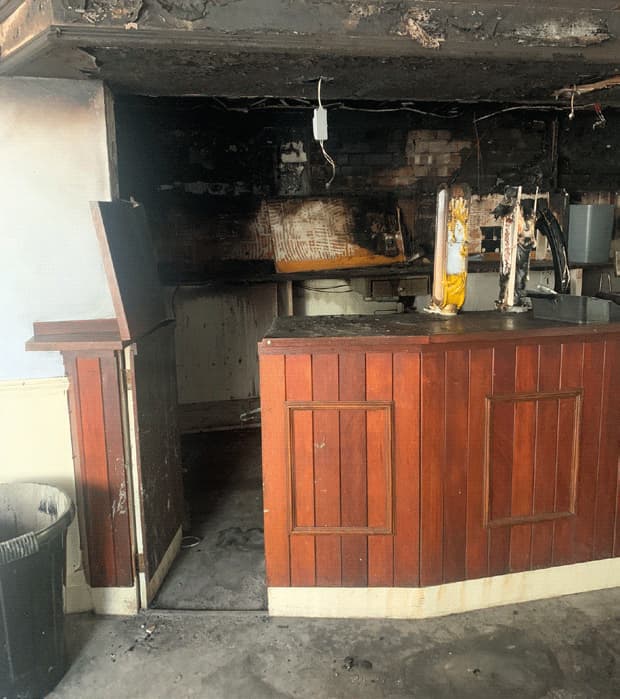
On 18 November 2022, Acumen Response received an instruction involving a public house in Staffordshire. Part of a chain, the building had suffered extensive fire and smoke damage to the ground floor and upstairs living area as the result of an arson attack.
Background
The broker involved in this case, a major, well-respected firm, is dedicated to achieving the best possible outcome for its customers – a pledge aimed at boosting policyholder satisfaction and maximising the likelihood of long-term retention. In this claim, there was a clear target to restore the premises by 16 December in time for a long-standing event that had personal significance for the pub’s landlady.
With less than a month to hit this deadline, and the crucial Christmas trading period fast approaching, speed was of the essence to ensure the company’s facilities management contractor could fulfil the compressed repair work schedule and keep business interruption to a minimum.
Approach
Ambience Response wasted no time in getting to work. The damage was swiftly assessed by our in-house Chartered Surveyor, working in tandem with our disaster-restoration network partner. The scope of works designed by our surveyor detailed an efficient approach to the restoration, limiting fabric destruction and strip out to accelerate the process while reducing costs and environmental impact.
The plan and accompanying estimate was quickly submitted to the broker, as intermediary, and to the owner of the pub chain. The mandate was approved, signed and returned, providing a green light for the restoration works to begin.
Action
All works were project managed by Ambience Response, with expert damage-management resource provided by our network partner. It was an extensive project, involving buildings and contents in the bar games room, lounge bar, kitchen, corridor and store as well as the living accommodation above the pub, which comprised a kitchen, bathroom, three bedrooms, a lounge, landing and staircase. The scale of the works was matched by its complexity, including the need to accommodate overlapping work by the pub chain’s electrical contractor to rewire the building. Ambience Response took responsibility for project managing all stakeholders, including the on-site electricians, to co-ordinate activity and keep progress on track.
Results
Robust planning enabled the works to be delivered ahead of schedule, six days before the strict 16 December deadline. This left the landlady with sufficient time to organise her event and provided the pub company with the opportunity to commence repair and refit works earlier than expected.
Despite heavy odour and soot contamination, all seating area contents, kitchen contents, carpets, fixed-seating upholstery and all but one ceiling were restored. The net result of this effective, efficient approach was an estimated saving of around £50,000 for the underlying insurer, while also avoiding significant business interruption costs at such a commercially important time of the year.
Conclusion
This case study underlines the layers of value that Ambience Response can bring to disaster restoration claims – and particularly for complex claims involving commercial SMEs. Such cases demand a high level of building knowledge, technical expertise and project management skills not typically required in high volume/low complexity claims. In bringing all these factors together, Ambience Response can deliver the best possible outcomes for all stakeholders, from policyholder to broker and insurer.
Share

